The project aims to develop a shared governance framework for the common pastoral lands of the Pyrenees by bringing together elected officials and technical experts from both sides of the mountain range within a network dedicated to cross-border exchange, analysis, and collective action.
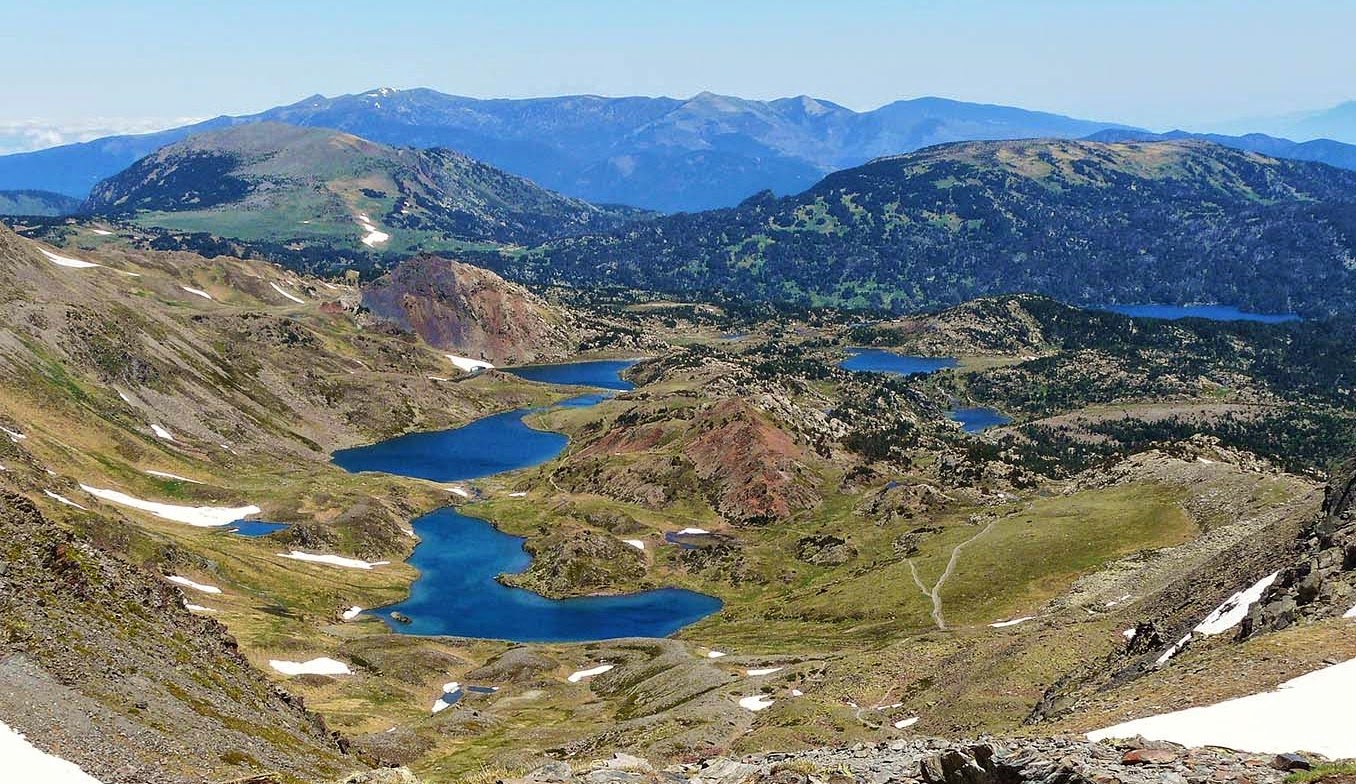
Collective pastoral areas, historically managed as common goods, form an essential part of the Pyrenean mountain region on both sides of the French-Spanish border. These permanent pastures contribute to biodiversity conservation, the prevention of natural hazards, and the balance between human activities and natural environments. The inclusion of transhumance in UNESCO’s Intangible Cultural Heritage list in 2023 recognises its role in the transmission of knowledge, social cohesion, and the sustainability of mountain ecosystems. These territories, located both in high-altitude areas and foothill zones, reflect a long history of cooperation and cross-border agreements based on the collective management of natural resources.
Today, these mechanisms face new challenges: the administrative and health-related complexities associated with livestock movements, the effects of climate change on pastures and water resources, and the lack of adaptation of certain agri-environmental policies to mountain realities. The project seeks to strengthen the cross-border governance of pastoral commons by involving institutions, land managers, local authorities, and livestock farmers. Its objectives are to establish a shared assessment of management and governance practices—with particular attention to cross-border commons—and to strengthen the capacities of local stakeholders (elected representatives, managers, and technical experts) to promote integrated, sustainable, and resilient governance.