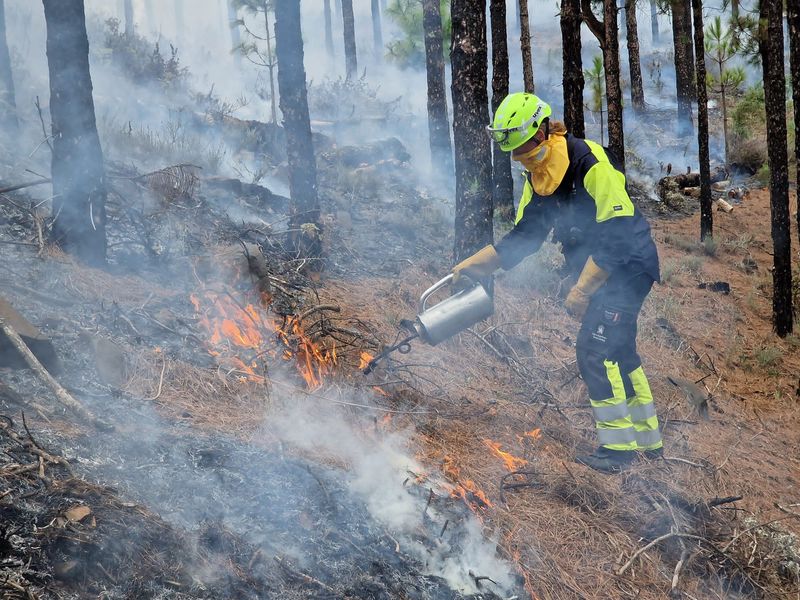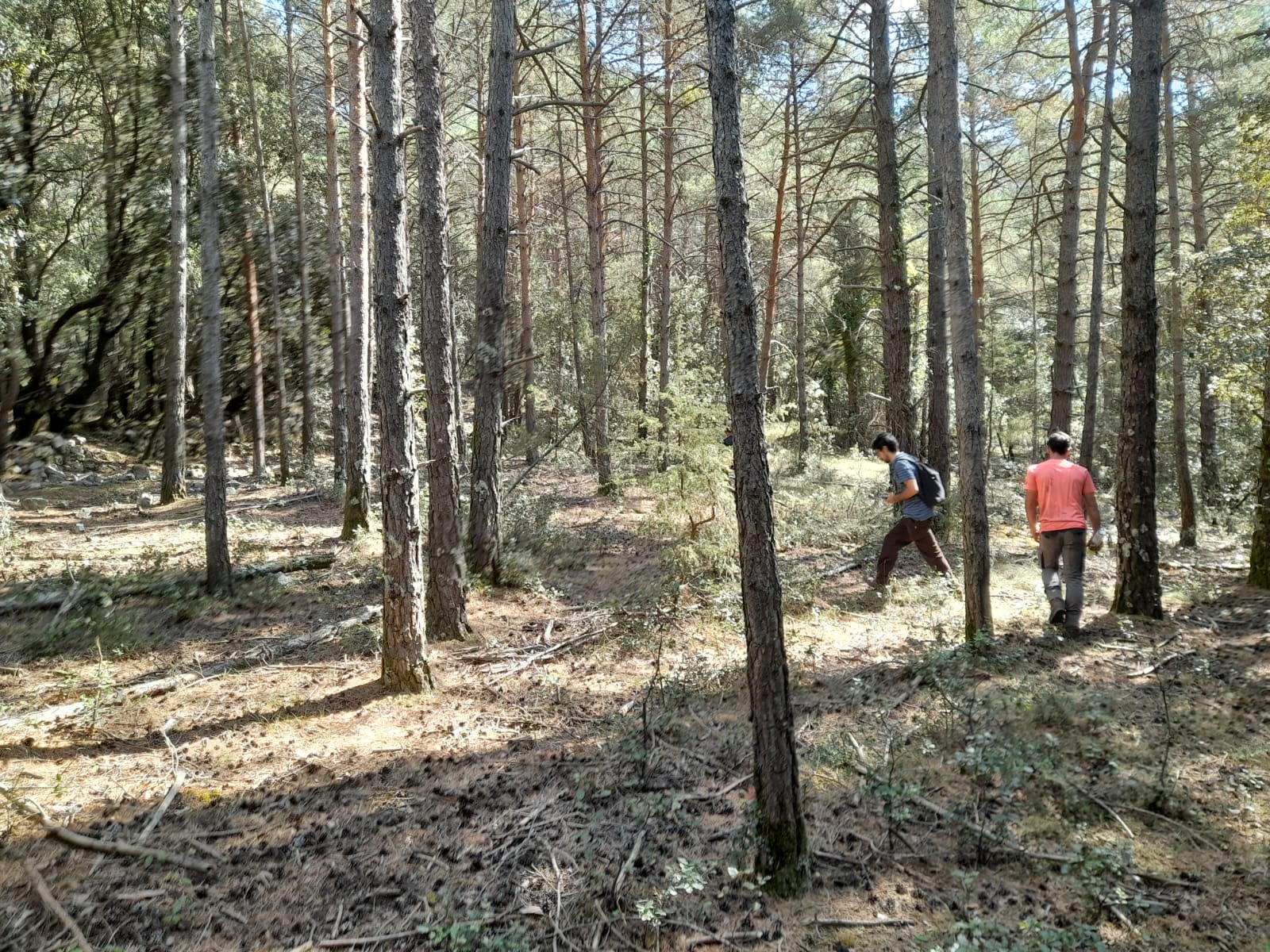
The main objective of the project is to increase the resilience of the natural and socio-ecological ecosystems of Alta Garrotxa to the challenges posed by climate change and the growing threat of wildfires.
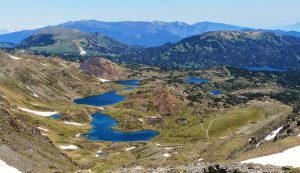
The homogenisation of the forest landscape and the loss of open spaces are among the main landscape and ecological challenges facing Alta Garrotxa. This situation is the result of the widespread abandonment of forest management, driven by rural depopulation and the socio-economic crisis affecting the primary sector. In this context, one of the project’s strategic priorities is to promote actions to support and strengthen extensive livestock farming as a tool for landscape conservation and management within the protected natural area, in line with the guidelines of the Plan for the Protection of the Natural Environment and Landscape of Alta Garrotxa, and within the framework of the measures identified in the Plan to Promote Extensive Livestock Farming as a Conservation Tool in the Alta Garrotxa Protected Natural Area.
The restoration of grazing areas and their subsequent maintenance through extensive livestock farming aim to create mosaic landscapes, improve habitats of ecological interest, enhance biodiversity associated with open areas, reduce fuel biomass, and thereby contribute to wildfire prevention, while also supporting extensive livestock farms as a key tool for territorial management. This also contributes to the socio-economic development of rural areas through grazing.
With this objective in mind, the project foresees carrying out silvicultural works (mechanical treatments) in two areas: Mas Espinau, to create a low-vulnerability forest structure in terms of wildfire risk, aimed at reducing the vulnerability of the forest stand to crown fires and making it suitable for silvopastoral use; and Mas Quintana, where the works will focus on restoring open grazing areas, mainly by clearing shrub and tree growth that limits the recovery of open-habitat ecosystems.
This project is part of a contract under the LIFE eCOadapt50 project.