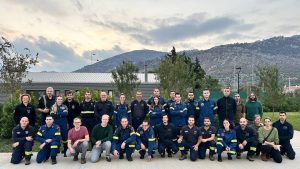
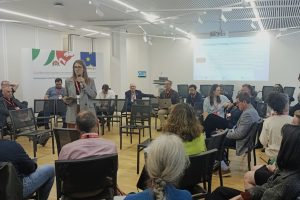
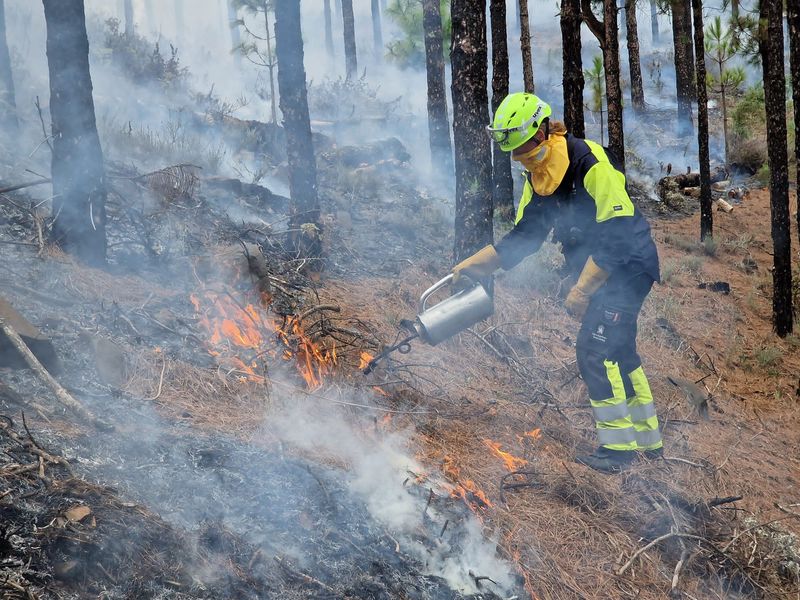
The final conference of ResAlliance and FOREST4EU in Croatia brought together key stakeholders to share knowledge, policy recommendations, and practical solutions for enhancing the resilience and sustainability of Europe’s forests and landscapes.
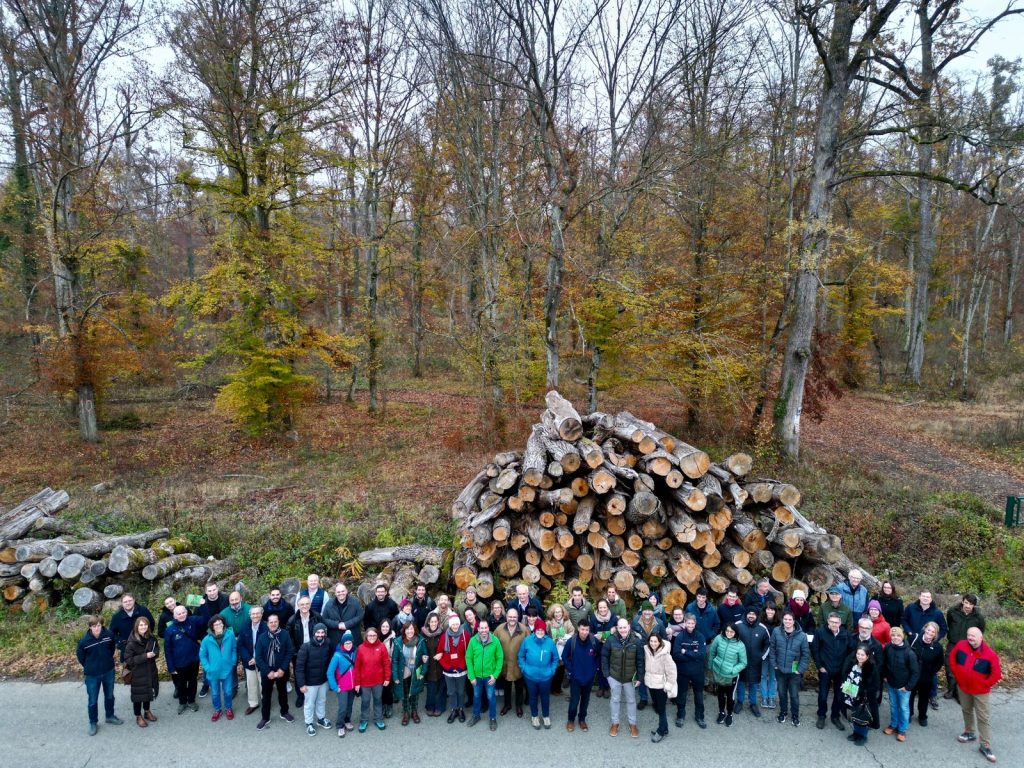
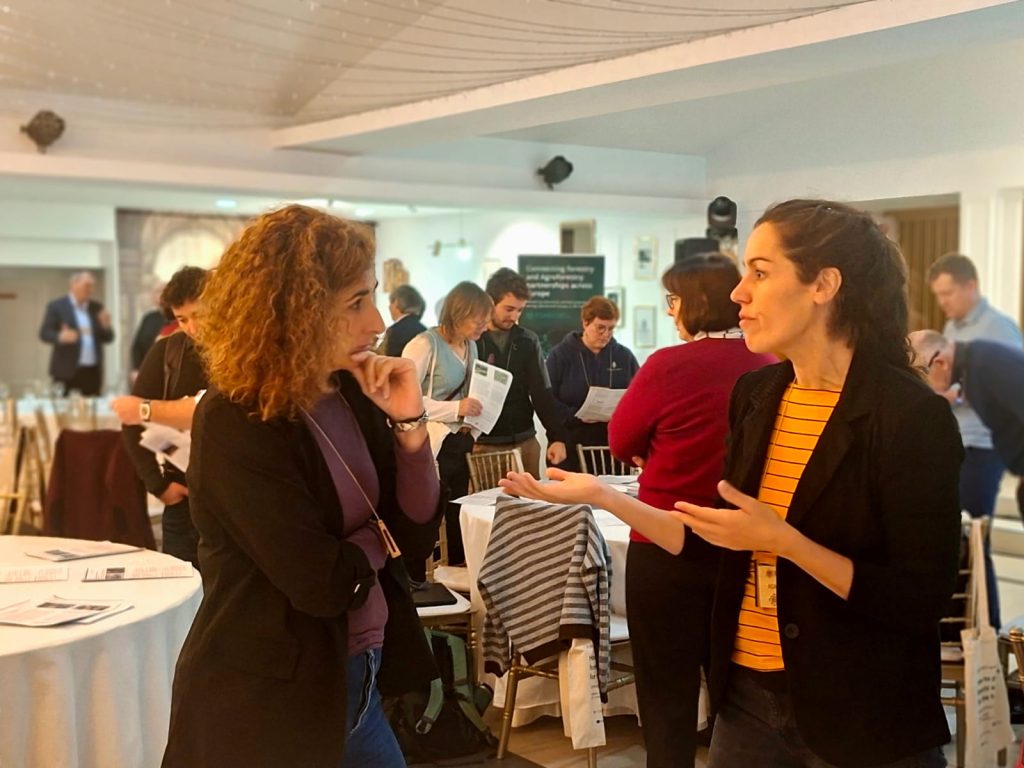
On 12 and 13 November, ResAlliance held its final conference in Vinkovci, Croatia. Under the title ‘How to preserve our forests and landscapes for the future?’, the event was organised jointly with FOREST4EU and marked the end of both projects, which are dedicated to enhancing the resilience and sustainability of Europe’s forests and landscapes. Besides showcasing key findings and innovations, it was a unique opportunity to engage with leading experts, stakeholders, and innovators in the forestry and bioeconomy sectors.
FOREST4EU and ResAlliance are funded under the Horizon Europe programme. While FOREST4EU promotes the sustainability of forestry and agroforestry through innovative business models, social innovations and climate resilience measures, ResAlliance enhances landscape resilience by gathering and sharing knowledge and practical solutions to the challenges that agriculture and forestry face due to climate change.
“ResAlliance focuses on building bridges and alliances between the agricultural and forestry sectors through a multi-actor approach. This is unique as these sectors have not always worked collaboratively. It also places strong emphasis on gathering and sharing knowledge both directly from the territories (LandLabs) and through the LandNet community of practice.”, emphasises Mariona Borràs, head of PCF’s Membership and Community Engagement Area.
The Foundation has participated in ResAlliance as coordinators of the five LandLabs and as Resilience Ambassadors of the Catalonia LandLab, co-organising events together with the Forest Science and Technology Centre of Catalonia and the Institute of Agrifood Research and Technology. These events sought to engage local stakeholders and grow the network of actors carrying out practices that enhance landscape resilience. Furthermore, PCF has contributed to multiple outputs and resources.
One such resource is the ‘White paper on policy recommendations for landscape resilience in the Mediterranean region’, coordinated by the Foundation. Presented at the conference by Borràs, the white paper provides actionable policy recommendations and insights to foster resilience and sustainable management of Mediterranean landscapes to multiple actors: those involved in the political arena (e.g. members of parliament); national, subnational, and local public authorities across the Mediterranean; and societal actors (e.g. civil society organisations and representatives of the private and business sectors).
ResAlliance has also generated 120 factsheets on practices and case studies on landscape resilience in the Mediterranean. They are available in 6 languages and are classified by economic sector (agriculture, agroforestry, forestry), type of solution (finance, governance, management, technology) and climate hazard (desertification, drought, flooding, pest and diseases, wildfires) and targeted implementing actors associative, individual, policy, social/communities). The foundation showcased at the conference four initiatives where we participate, featured as factsheets:
- The FireFlocks Project: Prescribed Silvopasture for Wildfire Risk Management
- Declaration on Wildfire Management in Spain
- Wildfire Preparedness Day: Risk Awareness for Wildland Urban Interface Communities
- The new generation MeFiTu: Mediterranean forests, fire, and you
With 30 November as the final day of ResAlliance, in the short term, the project has enabled governance actions in five Mediterranean territories, helping to identify climate-related challenges and prioritise the necessary interventions. In the medium and long term, ResAlliance leaves behind a valuable legacy of knowledge in the form of the factsheets, a blueprint, the white paper, an online course, and other resources. These outputs will continue to support Mediterranean territories — both in the north and the south — in addressing climate change challenges and strengthening landscape resilience.