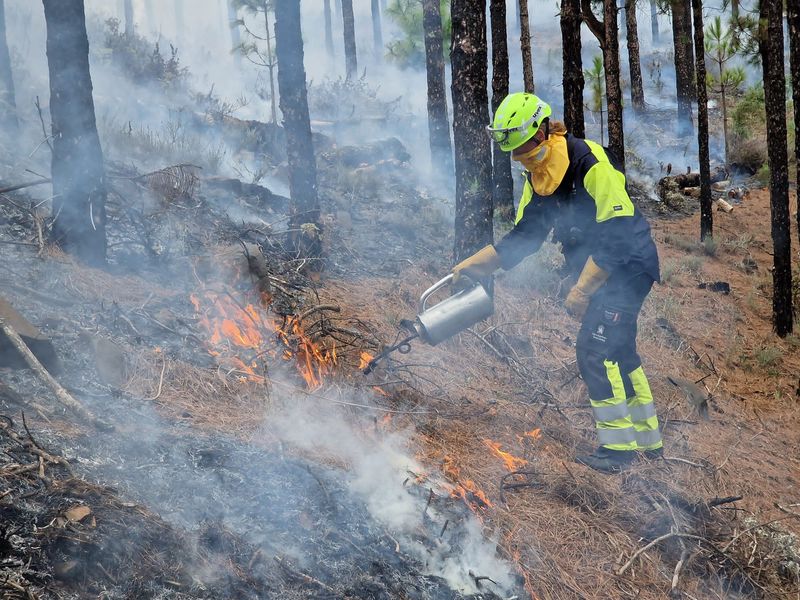
PyroLife consolidates the first European doctoral programme on Integrated Fire Management

The European project PyroLife, an Innovative Training Network, successfully concluded in December. Funded by the Marie Skłodowska-Curie Actions of the European Horizon2020 programme, PyroLife has made significant strides in training the next generation of experts in Integrated Fire Management (IFM). PyroLife has pioneered in developing a training programme supporting 15 Early Stage Researchers (ESRs) across […]
The ‘Foc i Biodiversitat’ project starts to conserve and enhance the resilience of the Alta Garrotxa Protected Natural Area

Today, the kick-off meeting of the ‘Foc i Biodiversitat‘ project took place in Beget (Camprodon), attended by the Director General of Environmental Policies and Natural Environment, Marc Vilahur; the Director of the Alta Garrotxa Consortium, Sara Sánchez; the Director of the Pau Costa Foundation, Jordi Vendrell, as well as the technicians who will monitor the […]
EduFire Toolkit: open educational resources to learn about wildfires in secondary education

The EduFire Toolkit project, funded by the European Union within the Erasmus+ programme, has successfully concluded this October. The aim of this project has been to provide educational resources for teachers and secondary school students, focusing on the understanding and management of wildfires in a context of lack of landscape management, which increases the risk […]
Advocating for enhancing landscape resilience with ResAlliance at the 8th Mediterranean Forest Week

As part of the consortium of the ResAlliance project, we participated in the 8th Mediterranean Forest Week (8th MFW) to foster dialogue on ways to build and enhance landscape resilience to drought and severe wildfires. During the event, which took place from the 4th to the 7th of November in Barcelona, ResAlliance led two activities […]
Pyrocumulus and Pyrocumulonimbus: the clouds of wildfires
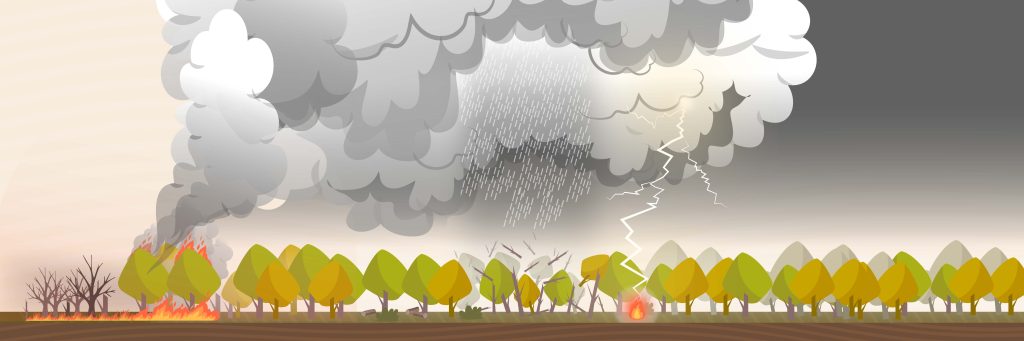
As is well known, weather can increase the risk of wildfires and make it more difficult to extinguish them. But the relationship between fire and weather goes further: sometimes wildfires can generate their own meteorological phenomena, such as pyrocumulus and pyrocumulonimbus. These are clouds created by the extreme heat of wildfires, which can trigger powerful […]
How is a wildfire emergency managed and who are the actors involved?
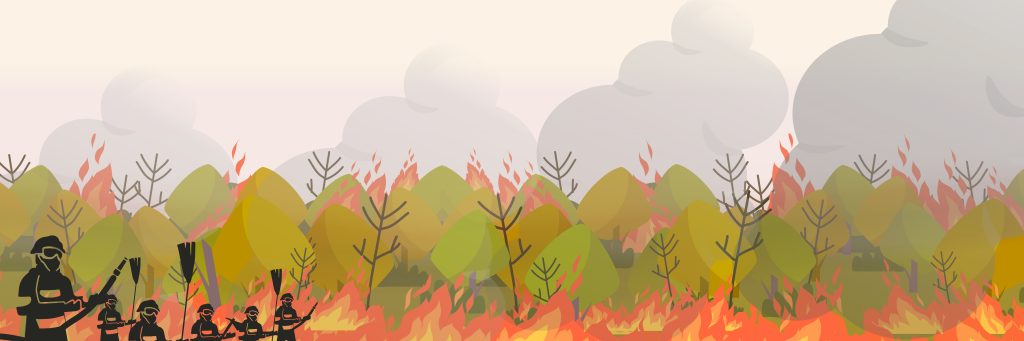
In the Mediterranean, wildfires are more frequent in the summer. High temperatures, heat waves and warm winds cause vegetation to dry out and burn easily, putting, in some cases, people and their properties in danger. That is why it is necessary that the burn teams are prepared in case of a wildfire emergency. But how […]
What relationship do extreme wildfires have with climate change?
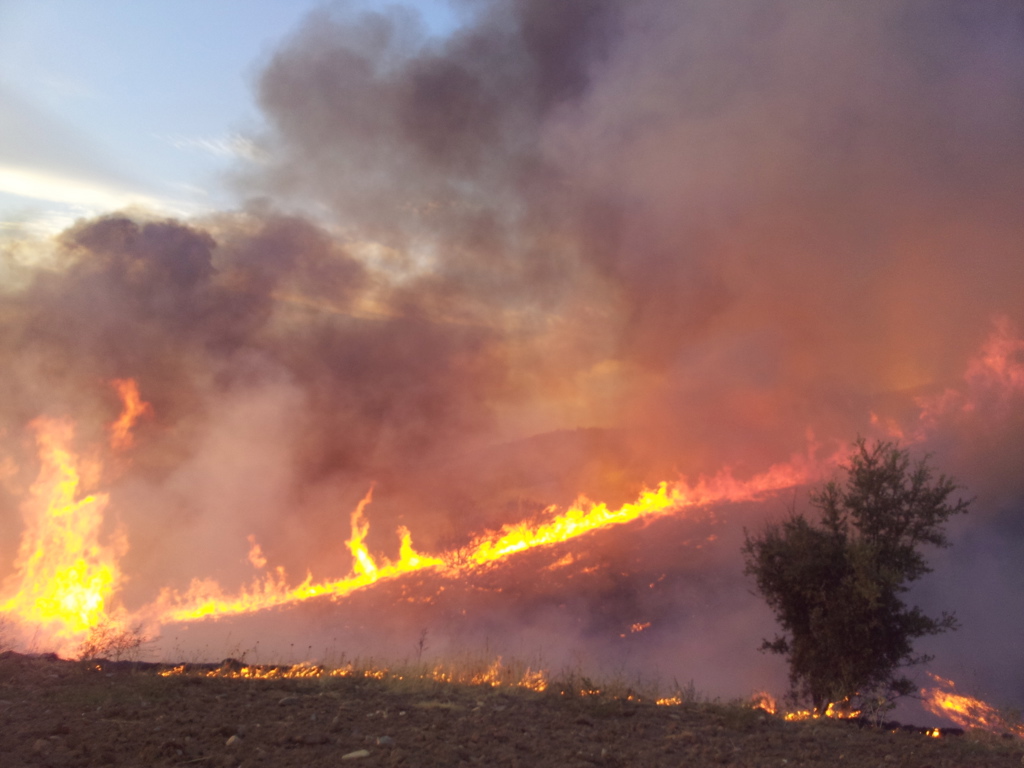
The latest extreme wildfires in Portugal (2017), California (2018), Tenerife (2023) and Chile (2024), among others, with thousands of hectares burned, have taken place during long periods of drought and high temperatures. This may lead one to think that these fires have happened because of climate change. But is it true? What relationship do extreme […]
We join Desbosiguem! to maintain the open spaces and reduce the risk of wildfire in the Pyrenees

Last week, the kick-off meeting of the cross-border project POCTEFA – Desbosiguem! took place, in which the Pau Costa Foundation participates together with the Parc Natural de l’Alt Pirineu, the Parc Naturel des Pyrénées Ariégeoises, the Union des Collectivités Forestières d’Occitanie, the Escola Agrària del Pirineu, the Universitat Politécnica de Catalunya and the Fundació Andorra […]
Sharing good practices for a more resilient Mediterranean landscape
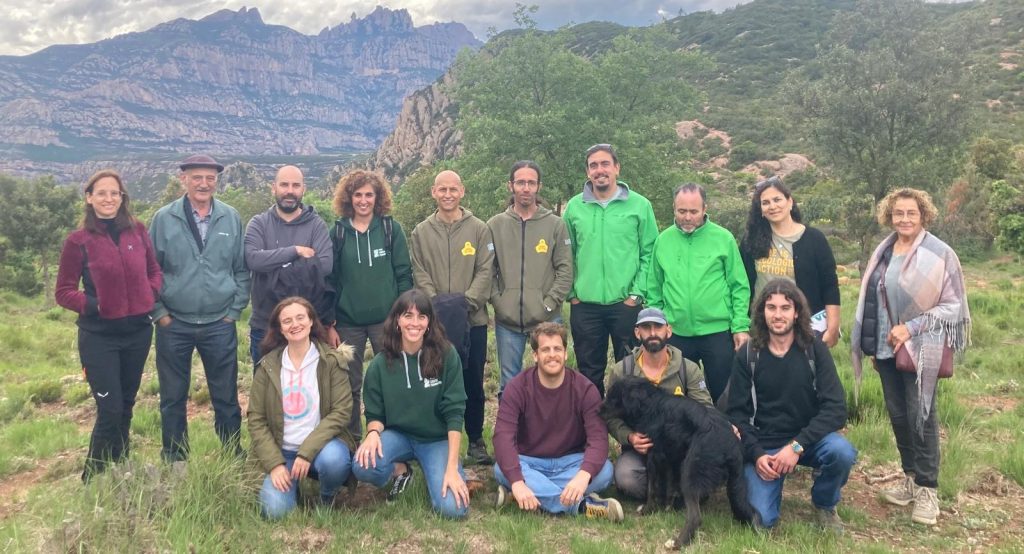
Faced with the growing effects of climate change, our landscapes and environments are increasingly vulnerable. For this reason, building resilient landscapes is key to safeguarding ecosystems and the services they provide to communities. It is essential to improve the Mediterranean landscape’s adaptation and resilience and understand how it can contribute to mitigating the risks of […]
Supporting decision-making with intelligent services. What SAFERS has achieved
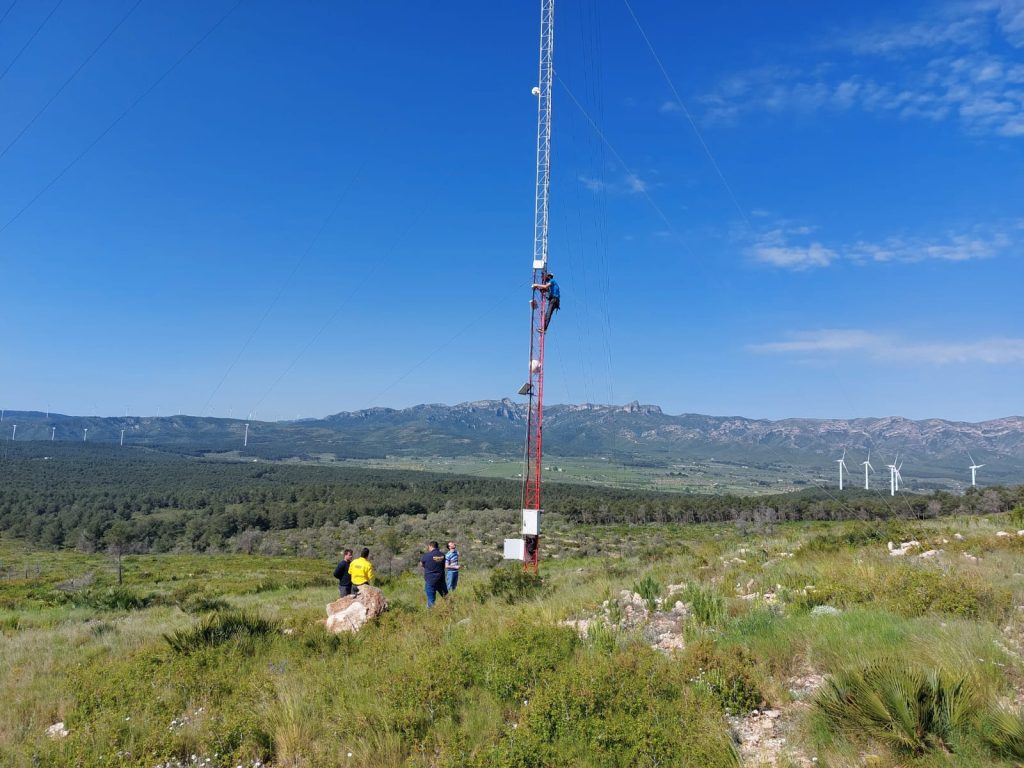
The European Horizon 2020-funded SAFERS project (Structured Approaches for Forest fire Emergencies in Resilient Societies) finished in March. During three and half years, it has aimed to increase the resilience of societies by improving decision-making in wildfire management, through a tool that integrates intelligent services. “SAFERS has created a decision-support tool that improves the situational […]